Linking Secure Payment Solutions to Tiered Reward Systems in Live-Streamed Casino and Betting Activities
Petra Frank · Aug 22, 2026
Linking Secure Payment Solutions to Tiered Reward Systems in Live-Streamed Casino and Betting Activities
Live-streamed casino and betting activities have expanded rapidly in recent years, with platforms combining real-time video feeds, interactive wagering, and digital transactions that require both security and user engagement features. Observers note that secure payment solutions serve as the foundation for these operations because they handle deposits, withdrawals, and ongoing account activity while meeting encryption and compliance requirements such as PCI DSS standards. Data from regulatory reports indicate that transaction volumes in live-streamed environments grew notably through mid-2026, prompting operators to connect these payment channels directly to tiered reward systems that track player behavior and allocate benefits accordingly.
Secure Payment Infrastructure in Live Environments
Payment gateways in live-streamed casino settings process high-frequency transactions that include bets placed during ongoing streams, balance updates, and instant cash-outs. Researchers have documented that these systems rely on tokenization, end-to-end encryption, and multi-factor authentication to reduce fraud risks while supporting the speed demanded by real-time betting. As of August 2026, industry figures reveal continued adoption of open banking methods and digital wallets across multiple jurisdictions, which allow platforms to verify funds quickly without exposing sensitive card details during live sessions. Experts point out that when these payment layers operate reliably, they generate structured data on spending patterns that can feed directly into separate loyalty engines.
Tiered Reward Structures and Their Data Requirements
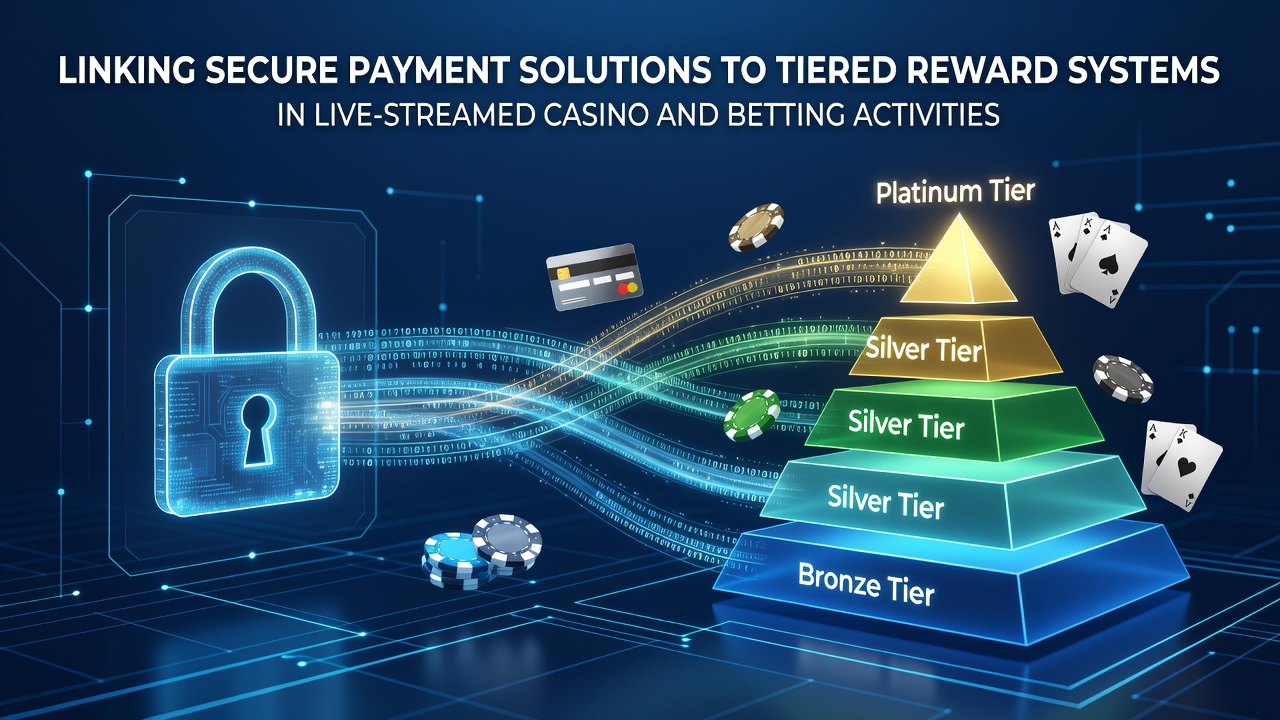
Tiered reward systems assign players to levels such as bronze, silver, gold, or platinum based on cumulative activity metrics including total wagers, session frequency, and deposit amounts. These programs calculate points in real time and unlock escalating benefits like bonus credits, cashback percentages, or priority access to certain live tables. Studies show that accurate tier progression depends on continuous, verified transaction records because any delay or discrepancy in payment data can misalign reward calculations and affect user retention. Platforms therefore maintain databases that link each authenticated payment to a unique player profile, enabling algorithms to adjust tier status within seconds of a completed transaction.
Integration Mechanisms Between Payments and Rewards
Integration occurs when payment processors transmit anonymized transaction metadata to the loyalty platform through secure APIs, allowing reward engines to update points without storing full financial details. This connection supports features such as instant tier upgrades after large deposits or automatic cashback credits following verified losses. One documented case involved a European operator that synchronized its payment gateway with a tiered system so that live-stream viewers received bonus multipliers within the same minute their wager settled. Figures from regulatory filings indicate that such linkages have become standard practice because they improve operational efficiency while satisfying audit requirements for both financial security and promotional fairness.
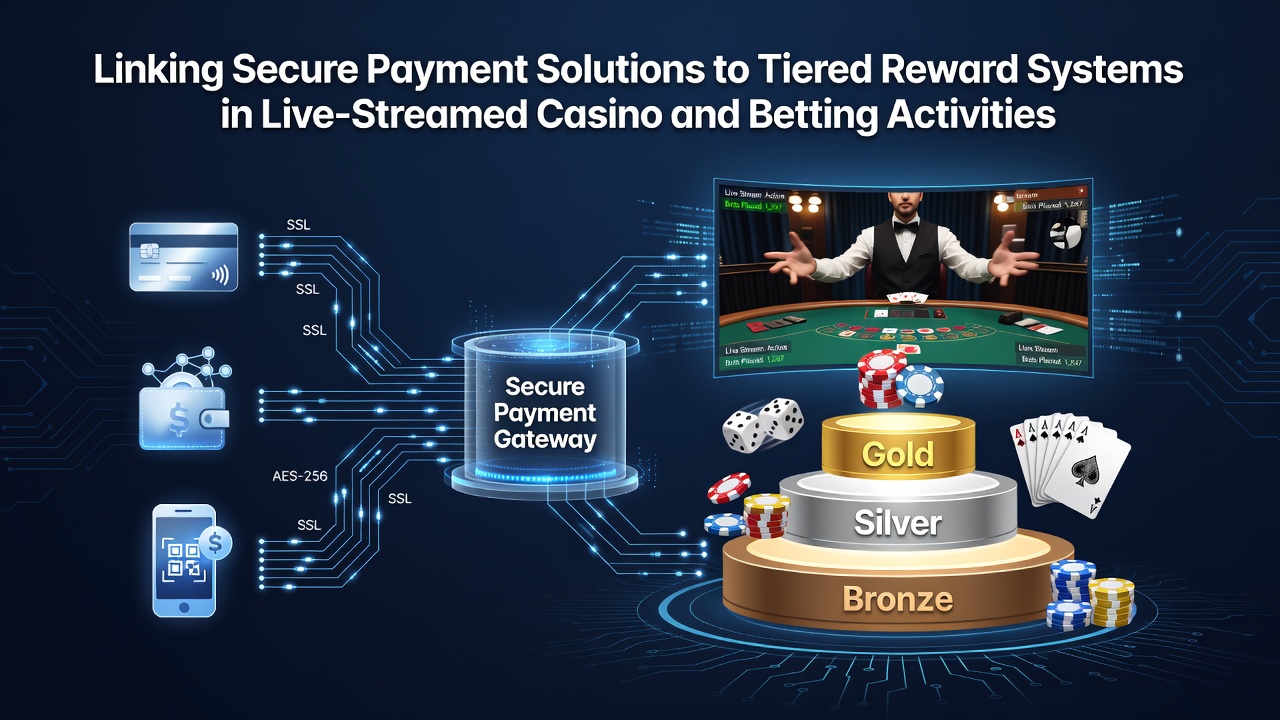
What's interesting is how the same secure channels that protect funds also create audit trails used by compliance teams to verify that rewards are distributed only after legitimate transactions. Observers have noted that operators in regions with strict oversight, including those under the Malta Gaming Authority and the New Jersey Division of Gaming Enforcement, must demonstrate that reward algorithms receive only validated payment data. This requirement has led developers to build unified dashboards where finance teams and marketing teams view synchronized metrics without duplicating sensitive information across separate databases.
Regulatory and Security Considerations
Regulatory bodies in multiple jurisdictions require operators to maintain separation between payment processing records and marketing databases while still permitting the data flows necessary for tiered rewards. Reports from the Victorian Commission for Gambling and Liquor Regulation highlight that Australian platforms must log every transaction-reward linkage for independent review, ensuring that bonuses do not encourage excessive play beyond responsible gaming limits. Similar rules appear in Canadian provincial frameworks, where operators submit regular reports showing how payment verification steps align with loyalty program rules. These standards have prompted technology providers to develop modular systems that can toggle data-sharing permissions based on local legislation without rebuilding core infrastructure.
Operational Outcomes and Platform Examples
Platforms that successfully connect secure payments to tiered rewards report measurable improvements in transaction completion rates and player return frequency according to aggregated industry data. In one instance, a live-streaming operator introduced real-time tier adjustments tied to deposit confirmations and observed higher average session lengths during peak viewing hours. Researchers tracking these developments have found that the technical architecture typically involves a central player management system that receives encrypted payment confirmations and then applies business rules to determine reward eligibility. This setup reduces manual reconciliation work and allows support staff to resolve tier disputes by referencing a single source of verified transaction history.
Conclusion
The linkage between secure payment solutions and tiered reward systems in live-streamed casino and betting activities rests on verified data exchange, regulatory compliance, and technical interoperability. Evidence from multiple jurisdictions shows that operators continue to refine these connections to support both financial security and structured player incentives. As transaction volumes and live-stream participation evolve, the same payment infrastructure that safeguards funds also supplies the accurate inputs required for reward calculations, creating a functional relationship documented across industry reports and regulatory filings.